Fleurs du Mal Magazine


Or see the index

A Cry from an Indian Wife
My Forest Brave, my Red-skin love, farewell;
We may not meet to-morrow; who can tell
What mighty ills befall our little band,
Or what you’ll suffer from the white man’s hand?
Here is your knife! I thought ’twas sheathed for aye.
No roaming bison calls for it to-day;
No hide of prairie cattle will it maim;
The plains are bare, it seeks a nobler game:
’Twill drink the life-blood of a soldier host.
Go; rise and strike, no matter what the cost.
Yet stay. Revolt not at the Union Jack,
Nor raise Thy hand against this stripling pack
Of white-faced warriors, marching West to quell
Our fallen tribe that rises to rebel.
They all are young and beautiful and good;
Curse to the war that drinks their harmless blood.
Curse to the fate that brought them from the East
To be our chiefs—to make our nation least
That breathes the air of this vast continent.
Still their new rule and council is well meant.
They but forget we Indians owned the land
From ocean unto ocean; that they stand
Upon a soil that centuries agone
Was our sole kingdom and our right alone.
They never think how they would feel to-day,
If some great nation came from far away,
Wresting their country from their hapless braves,
Giving what they gave us—but wars and graves.
Then go and strike for liberty and life,
And bring back honour to your Indian wife.
Your wife? Ah, what of that, who cares for me?
Who pities my poor love and agony?
What white-robed priest prays for your safety here,
As prayer is said for every volunteer
That swells the ranks that Canada sends out?
Who prays for vict’ry for the Indian scout?
Who prays for our poor nation lying low?
None—therefore take your tomahawk and go.
My heart may break and burn into its core,
But I am strong to bid you go to war.
Yet stay, my heart is not the only one
That grieves the loss of husband and of son;
Think of the mothers o’er the inland seas;
Think of the pale-faced maiden on her knees;
One pleads her God to guard some sweet-faced child
That marches on toward the North-West wild.
The other prays to shield her love from harm,
To strengthen his young, proud uplifted arm.
Ah, how her white face quivers thus to think,
Your tomahawk his life’s best blood will drink.
She never thinks of my wild aching breast,
Nor prays for your dark face and eagle crest
Endangered by a thousand rifle balls,
My heart the target if my warrior falls.
O! coward self I hesitate no more;
Go forth, and win the glories of the war.
Go forth, nor bend to greed of white men’s hands,
By right, by birth we Indians own these lands,
Though starved, crushed, plundered, lies our nation low . . .
Perhaps the white man’s God has willed it so.
Emily Pauline Johnson
(1861 – 1913)
A Cry from an Indian Wife
Poem
• fleursdumal.nl magazine
More in: # Classic Poetry Archive, *Archive Native American Literature, Archive I-J, Archive I-J, Emily Pauline Johnson, Racism
Part memoir, part manifesto, the inspiring story of a Louisiana librarian advocating for inclusivity on the front lines of our vicious culture wars.
 One of the things small town librarian Amanda Jones values most about books is how they can affirm a young person’s sense of self. So in 2022, when she caught wind of a local public hearing that would discuss “book content,” she knew what was at stake.
Schools and libraries nationwide have been bombarded by demands for books with LGTBQ+ references, discussions of racism, and more to be purged from the shelves. Amanda would be damned if her community were to ban stories representing minority groups. She spoke out that night at the meeting. Days later, she woke up to a nightmare that is still ongoing.
Amanda Jones has been called a groomer, a pedo, and a porn-pusher; she has faced death threats and attacks from strangers and friends alike. Her decision to support a collection of books with diverse perspectives made her a target for extremists using book banning campaigns-funded by dark money organizations and advanced by hard right politicians-in a crusade to make America more white, straight, and “Christian.” But Amanda Jones wouldn’t give up without a fight: she sued her harassers for defamation and urged others to join her in the resistance.
Mapping the book banning crisis occurring all across the nation, That Librarian draws the battle lines in the war against equity and inclusion, calling book lovers everywhere to rise in defense of our readers.
Amanda Jones has been an educator for 23 years, at the same middle school she attended as a child. She has served as President of the Louisiana Association of School Librarians and won numerous awards for her work in school libraries, including School Library Journal Librarian of the Year. A sought-after keynote speaker, Amanda is a frequent volunteer for state and national library associations, as well as a co-founder of the Livingston Parish Library Alliance and founding member of Louisiana Citizens Against Censorship. She lives in Livingston Parish, Louisiana.
That Librarian:
The Fight Against Book Banning in America
by Amanda Jones
ISBN: 9781639733538
ISBN-10: 1639733531
Publisher: Bloomsbury Publishing
Publication Date: August 27th, 2024
Pages: 288
Language: English
$29.99
• fleursdumal.nl magazine
More in: - Audiobooks, - Book Lovers, - Book News, - Book Stories, - Bookstores, - Guerilla Libraries, Archive I-J
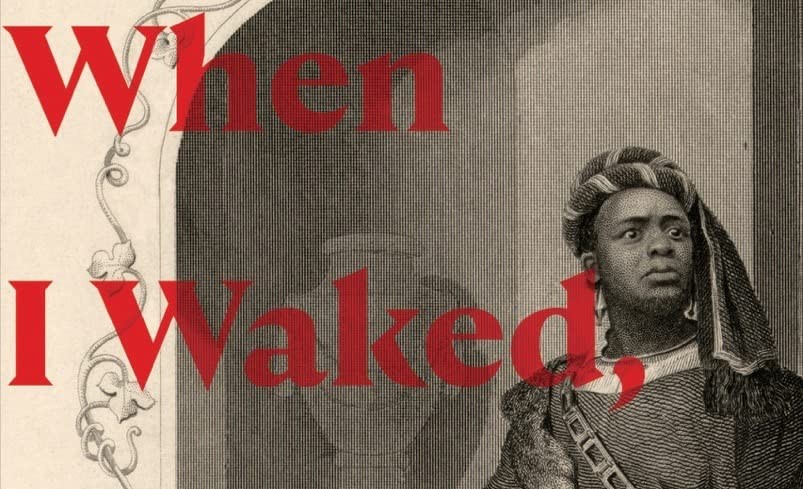
A dynamic, moving hybrid work that celebrates Black youth, often too fleeting, and examines Black lives lost to police violence.
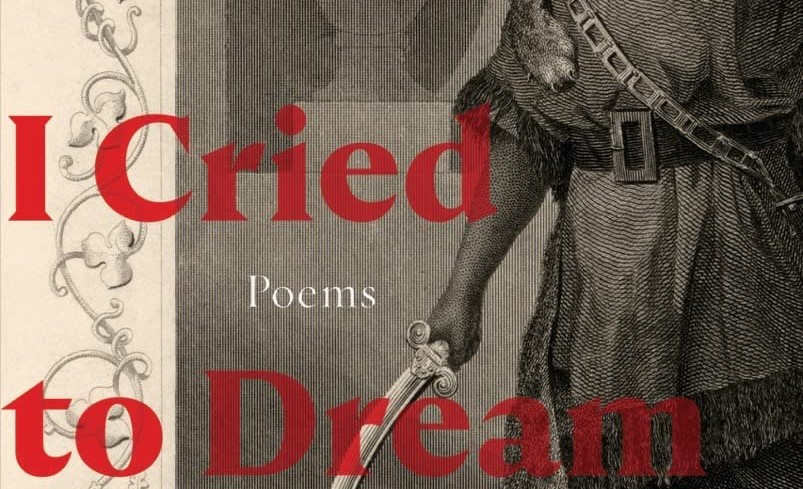
In this astonishing volume of poems and lyric prose, Whiting Award–winner A. Van Jordan draws comparisons to Black characters in Shakespearean plays―Caliban and Sycorax from?The Tempest, Aaron the Moor from?Titus Andronicus, and the eponymous antihero of? Othello―to mourn the deaths of Black people, particularly Black children, at the hands of police officers. What do these characters, and the ways they are defined by the white figures who surround them, have in common with Tamir Rice, Trayvon Martin, and other Black people killed in the twenty-first century?
Balancing anger and grief with celebration, Jordan employs an elastic variety of poetic forms, including ekphrastic sestinas inspired by the photography of Malick Sidibé, fictional dialogues, and his signature definition poems that break down the insidious power of words like “fair,” “suspect,” and “juvenile.” He invents a new form of window poems, based on a characterization exercise, to see Shakespeare’s Black characters in three dimensions, and finds contemporary parallels in the way these characters are othered, rendered at once undesirable and hypersexualized, a threat and a joke.
At once a stunning inquiry into the roots of racist violence and a moving recognition of the joy of Black youth before the world takes hold, When I Waked, I Cried to Dream Again expresses the preciousness and precarity of life.
A. Van Jordan is the author of four collections: Rise, which won the PEN/Oakland Josephine Miles Award (Tia Chucha Press, 2001); M-A-C-N-O-L-I-A, (2005), which was listed as one the Best Books of 2005 by The London Times; Quantum Lyrics, (2007); and The Cineaste, (2013), W.W. Norton & Co. Jordan has been awarded a Whiting Writers Award, an Anisfield-Wolf Book Award, and a Pushcart Prize. He is also a recipient of a Guggenheim Fellowship (2007), a United States Artists Fellowship (2009), and a Lannan Literary Award in Poetry (2015).
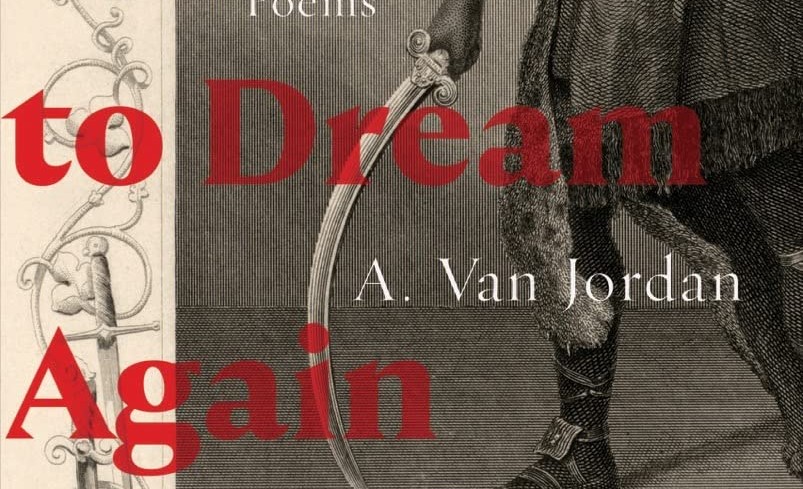
When I Waked, I Cried To Dream Again:
Poems by A. Van Jordan
Publisher: W. W. Norton & Company (June 6, 2023)
Language: English
Hardcover
144 pages
ISBN-10 : 1324050934
ISBN-13 : 978-1324050933
Price $26.95
fleursdumal.nl magazine
More in: #Modern Poetry Archive, - Book News, - Bookstores, Archive I-J, Archive I-J, Racism
Loin des idées reçues et des poncifs sur Flaubert, Régis Jauffret nous invite à découvrir sa vie et son oeuvre et des aspects méconnus de sa personnalité : l’homme tonitruant et hâbleur qui se cachait derrière un des écrivains incontournables des lettres françaises.
“Depuis longtemps la postérité s’est chargée de peinturlurer Flaubert. Il est admis aujourd’hui qu’il mena toujours une vie d’ermite dans sa maison isolée de Croisset, que son père l’écrasait de sa personnalité, que sa mère était possessive jusqu’à l’empêcher de se marier, de fonder une famille, bref, de quitter le nid.
 Nous verrons dans cet ouvrage à quel point ces poncifs sont controuvés. En outre, je me permets à plusieurs reprises d’évoquer le Flaubert tonitruant, hâbleur et par certains aspects assez grotesque qu’évoquent à l’occasion ses contemporains. Ce n’est certes pas pour l’accabler, au contraire cette facette de sa personnalité me semble presque attendrissante et fait de lui un commensale des pantins que nous sommes. Et puis, que voulez-vous, j’ai toujours préféré les humains aux dieux. Si je fus humble dans ma tâche – sans humilité, la littérature se fane au fur et à mesure de son apparition sur le papier, l’écran, le papyrus – je n’ai pas hésité à faire preuve d’une grande familiarité envers le maître. J’ai passé près de cinq années en sa compagnie, il est devenu pour moi une sorte de camarade d’outre-tombe.
Un ami que j’ai pris souvent dans mes bras, malgré son corps fumeux de fantôme et avec lequel je me suis régulièrement disputé jusqu’à la fâcherie. Néanmoins, je n’ai jamais poussé le ridicule jusqu’à me prendre pour lui car je suis assez occupé à me croire vaniteusement moi-même et à finir mon oeuvre à laquelle je tiens davantage qu’à celle de notre Gustave. Je devrais m’abstenir de proférer pareil blasphème.
A force de sincérité les romanciers se montrent mufles”.
Regis Jauffret est l’auteur de nombreux ouvrages dont Microfictions, Sévère, La Ballade de Rikers Island, Papa et Le Dernier Bain de Gustave. Il a reçu le prix Goncourt de la nouvelle pour Microfictions 2018, le prix Femina pour Asile de fous et le prix Décembre pour Univers, Univers.
Dictionnaire amoureux de Flaubert
de Régis Jauffret (Auteur)
Alain Bouldouyre (Dessins)
Éditeur: Plon
Illustrated édition
4 mai 2023
Langue: Français
Broché
480 pages
ISBN-10:2259310613
ISBN-13:978-2259310611
€ 28,00
• fleursdumal.nl magazine
More in: - Book News, - Bookstores, Archive E-F, Archive I-J, Gustave Flaubert, Illustrators, Illustration
L’Homme à la hache
D’après et pour P. Gauguin
A l’horizon, par les brouillards,
Les tintamarres des hasards,
Vagues, nous armons nos démons
Dans l’entre-deux sournois des monts.
Au rivage que nous fermons
Dome un géant sur les limons.
Nous rampons à ses pieds, lézards.
Lui, sur son char tel un César
Ou sur un piédestal de marbre,
Taille une barque en un tronc d’arbre
Pour debout dessus nous poursuivre
Jusqu’à la fin verte des lieues.
Du rivage ses bras de cuivre
Lèvent au ciel la hache bleue.
Alfred Jarry
(1873-1907)
L’Homme à la hache
D’après et pour P. Gauguin
(1894)
• fleursdumal.nl magazine
More in: Archive I-J, Archive I-J, Jarry, Alfred, SURREALISM, Surrealism, Surrealisme
Maud Joiret est née en 1986 à Bruxelles. Chroniqueuse notamment pour Le Carnet et les Instants, elle est programmatrice littéraire. Cobalt est son premier recueil de poésie. Quelques textes ont paru aussi pour la revue Boustro (numéro VII), Passa Porta, Poetenational.be, Bela. Lauréate d’une bourse de la Fédération Wallonie-Bruxelles – Bourse de découverte 2020

Maud Joiret: Jerk
Arbre de Diane,
coll. « Les deux sœurs »,
2022
ISBN: 978-2-930822-21-1
89 pages
€12,00
Bibliographie
Jerk (2022)
Cobalt (2019)
Marées vaches
“ Tu deviendrais muet sans même le savoir
Tu garderais secrètes tes plaintes et tes larmes
Tu écrirais des poèmes
que personne ne lirait
Les jours impairs, tu te cuisinerais des pâtes
pourvu qu’elles soient cuites à point
juste comme elle les aime.”
• fleursdumal.nl magazine
More in: #Editors Choice Archiv, - Book News, - Bookstores, Archive I-J, Archive I-J, Historia Belgica
In a landscape scarred by conflict, two women begin a quest for a lost child and a lost world of peace.
 Bound together by love and acceptance, their story and path interweave with fellow outcasts — people like the ever-suave Dame Blanche, Sister Asunta, martial artist and magician, Master Wu Wu, and the lost soul, Tulip — but whether peace is simply the end of war or something deeper is something they must discover for themselves.
A haunting tale, told in a series of visionary prose poems, The True Story of Cowboy Hat & Ingénue interweaves memory and yearning to ask questions that reflect on our past and, disturbingly, on our futures.
Maria Jastrzębska is a Polish-born poet, editor and translator. Her most recent collection was At The Library of Memories (Waterloo Press 2013) and her selected poems, The Cedars of Walpole Park, have been translated into Polish by Anna Błasiak, Paweł Gawroński and Wioletta Grzegorzewska and published bilingually (Stowarzyszenie ŻŻwych Poetów 2015). Old Knives is a selection of her work translated into Romanian by Lidia Vianu and published bilingually by Integral Contemporary Literature Press (2017). She was co-editor with Anthony Luvera of Queer in Brighton (New Writing South 2014). She co-translated Iztok Osojnik’s selected poems Elsewhere with Ana Jelnikar and her translations of Justyna Bargielska’s selected poems The Great Plan B are published by Smokestack Press (2017). Her work features in the British Library poetry and translation project Poetry Between Two Worlds. Dementia Diaries, her literary drama, toured nationally with Lewes Live Lit in 2011. Her poems have been much anthologized from The Virago Book of Wicked Verse (1992) to This Line Is Not For Turning — An Anthology of Contemporary British Prose Poetry (Cinnamon Press 2011) and Hallelujah for 50ft Women (Bloodaxe 2015). Maria lives in Brighton and you can discover more about her work on her website. (https://mariajastrzebska.wordpress.com/)
The True Story of Cowboy Hat & Ingénue
Maria Jastrzębska
Prose-poetry
Language: English
Publisher: Cinnamon Press
2018
Paperback
70 pages
ISBN-10: 1911540033
ISBN-13: 978-1911540038
Price: 14,27 euro
• fleursdumal.nl magazine
More in: #Editors Choice Archiv, - Book News, - Bookstores, Archive I-J, Archive I-J, Cowboy Poetry
Austrian poet and playwright Ernst Jandl died in 2000, leaving behind his partner, poet Friederike Mayröcker—and bringing to an end a half century of shared life, and shared literary work. Mayröcker immediately began attempting to come to terms with his death in the way that poets struggling with loss have done for millennia: by writing.
 Requiem for Ernst Jandl is the powerfully moving outcome.
In this quiet but passionate lament that grows into a song of enthralling intensity, Mayröcker recalls memories and shared experiences, and—with the sudden, piercing perception of regrets that often accompany grief—reads Jandl’s works in a new light.
Alarmed by a sudden, existential emptiness, she reflects on the future, and the possibility of going on with her life and work in the absence of the person who, as we see in this elegy, was a constant conversational and creative partner.
Friederike Mayröcker (1924–2021) was one of the most important Austrian poets of the twentieth and twenty-first centuries. She published over eighty works, including poetry, prose, radio plays and children’s books. Her work has been honoured with many prizes, including the Georg Büchner Prize and the Peter Huchel Prize. She lived in Vienna.
#new books
Requiem for Ernst Jandl
by Friederike Mayröcker
Translated by Roslyn Theobald
ISBN: 9781803090429
Pages: 96
Rights: UCP
Publication Year: 2022
Format: Paperback
Size: 5″ x 8″
Series: The Seagull Library of German Literature
Category: Poetry
£7.99
• fleursdumal.nl magazine
More in: *Concrete + Visual Poetry F-J, - Book News, Archive I-J, Archive I-J, Archive M-N, Dadaïsme, Ernst Jandl, Jandl, Ernst
From the creator of UlyssesGuide.com, this essential guide to James Joyce’s masterpiece weaves together plot summaries, interpretive analyses, scholarly perspectives, and historical and biographical context to create an easy-to-read, entertaining, and thorough review of Ulysses.
 In The Guide to James Joyce’s Ulysses, Patrick Hastings provides comprehensive support to readers of Joyce’s magnum opus by illuminating crucial details and reveling in the mischievous genius of this unparalleled novel.
Written in a voice that offers encouragement and good humor, this guidebook maintains a closeness to the original text and supports the first-time reader of Ulysses with the information needed to successfully finish and appreciate the novel.
Patrick Hastings is the English Department Chair at Gilman School in Baltimore, Maryland, where he teaches sophomores and seniors and coaches the JV soccer team. He began creating UlyssesGuide.com in the summer of 2016, and that project evolved into The Guide to James Joyce’s Ulysses. His interest in Joyce began during the summer of 2003, when he lived and worked at Shakespeare & Company Bookstore in Paris. He has been published in James Joyce Quarterly and has presented at conferences on topics ranging from classroom use of digital humanities to hip hop and postmodernism. He grew up in Atlanta, Georgia.
# new books
The Guide to James Joyce’s Ulysses
by Patrick Hastings
Publisher: Johns Hopkins University Press
Publication date: 1 Feb 2022
Paperback
328 pages
Language : English
ISBN-10 : 142144349X
ISBN-13 : 978-1421443492
Reading age: 18 years and up
€ 26.00
• fleursdumal.nl magazine
More in: - Book News, - Bookstores, Archive G-H, Archive I-J, Archive I-J, Joyce, James, Joyce, James
Die »Münchhausiade« von Karl Leberecht Immermann steht in einer langen Tradition: Sie ist die groteske Variante der Ur-Münchhausen-Legende aus dem 18. Jahrhundert, die von den Kriegs-, Jagd- und Reiseabenteuern des volkstümlichen Freiherrn von Münchhausen auf Bodenwerder fabuliert.

Immermann verwandelt die phantastischen Legenden des berühmten »Lügenbarons« zu einer in der deutschen Literatur bis dahin unbekannten Form des Romans: zeithistorisch, gesellschaftskritisch, komisch und scharf-satirisch, eine anspielungsreiche, schillernde Verbindung aus Zeit- und Kulturkritik. Immermanns Münchhausen erneuert den Roman seiner Zeit und ist eines der bedeutendsten epischen Werke der deutschen Literatur.
Karl Leberecht Immermann, heute fast vergessen, nimmt Abschied vom Bildungs- und Erziehungsroman der klassischen und romantischen Literatur. 1838/39 erschienen und nicht nur von Heinrich Heine bewundert, ist sein origineller Münchhausen eine virtuos verschlungene »Geschichte in Arabesken«.
Bei Immermann ist Münchhausen ein »Erzwindbeutel«, ein »Cäsar der Lügen« und ein »Don Juan der Erfindung « – einer, der in seinem Tun und Erzählen die Wahrheit beansprucht und den Leser, angesprochen und immer wieder ins Geschehen einbezogen, zur Wahrheitsfindung auffordert. Laurence Sternes komischer Roman Tristram Shandy ist dabei das große, vom Erzähler herbeizitierte Vorbild.
Münchhausen ist zugleich ein Doppelroman, der auch vom »Oberhof«, einem reichen westfälischen Gutshof, und vom Kosmos der damaligen ländlichen Lebenswelt erzählt; im Zentrum der »Hofschulze« und ein »Jäger Oswald« – die Gegenwelt zur verfallenden Welt des Adels, in der der Münchhausen-Enkel und sein Diener Karl Buttervogel vor dem Herrn von »Schloss Schnick-Schnack-Schnurr«, vor Tochter und Dorfschulmeister schwadronieren. Eingebunden wird das ausschweifende Geschehen in eine Ehe- und Liebesgeschichte, erzählt werden die ineinander verschlungenen Welten in einem Zeitraum von wenigen Wochen.
Und was bedeutet es, wenn Immermann von einer »Geschichte in Arabesken« spricht? »… wer dabei den Verstand behalten will, der muss einen weniger geordneten Kopf haben, als ich leider besitze. Herr von Münchhausen beginnen zu erzählen; dann fangen wieder andere Personen an, in diesen Erzählungen zu erzählen; wenn man nicht schleunigst Einhalt tut, so geraten wir wahrhaftig in eine Untiefe des Erzählens hinein, worin unser Verstand notwendig Schiffbruch leiden muss. Bei den Frauen, die mit Schachteln handeln, stecken oft vierundzwanzig ineinander …«
Karl Leberecht Immermann (1796–1840) studierte Rechtswissenschaft, pflegte literarische Interessen, nahm an den napoleonischen Kriegen teil und wurde 1818 Gerichtsreferendar in Magdeburg. In dieser Zeit schreibt er seine ersten Dramen, es folgen ein Roman, Gedichte und Trauerspiele. Als Landgerichtsrat geht er nach Düsseldorf und übernimmt die Leitung des Düsseldorfer Theaters. 1836 erscheinen Die Epigonen. Familienmemoiren in neun Büchern und 1838/39 Münchhausen. Eine Geschichte in Arabesken.
Karl Leberecht Immermann
Münchhausen.
Eine Geschichte in Arabesken
2021
Seitenanzahl: 852
Originalausgaben
Bandnummer: 435
Mit ausführlichen Anmerkungen und einem Nachwort von Tilman Spreckelsen. Originalausgabe, nummeriert und limitiert, Sondernummer zum Sonderpreis. Fadenheftung mit Lesebändchen, Dünndruckpapier. Umschlaggestaltung: Ute Henkel, Berlin
ISBN: 9783847704355
52,00 EUR
• fleursdumal.nl magazine
More in: - Book Lovers, - Book Stories, Archive I-J, Münchhausen, Tales of Mystery & Imagination
Het moment dat een kind opeens weet: ik besta. Weinigen weten de taal te vinden om die ervaring op te schrijven; Tjitske Jansen kan dat.
 Kraakhelder: ‘Als elfjarige kwam ik op een middag de trap af en wist ik dat ik er was en er niet meer zomaar niet kon zijn. Ik bestond. Daar had ik zelf niet zoveel over te zeggen.’ Zoals uit de titel zowel vervreemding als aanvaarding spreekt, zo is de ‘ik’ even ontredderd als wijs, even verward als begripvol.
Die ‘ik’ is een kind dat zich vragen stelt. Over opgroeien, over haar lichaam, over God, over pleegouders, over de fietsenmaker, over zekerheden van anderen, over de tijd. ‘Ik was bijna tien. Dat was snel gegaan. Ik was dus eigenlijk al bijna twintig, dertig, veertig, vijftig, zestig, zeventig, tachtig.’ Zo dreigend kan het besef van de eindigheid zijn. Zo onontkoombaar kun je dat opschrijven.
Tjitske Jansen (1971) combineert in wat ze schrijft als vanzelf poëzie, proza en theater. Al vanaf haar vroegste bundels, de bestsellers Het moest maar eens gaan sneeuwen en Koerikoeloem, treedt ze veel op en geeft ze met grote inzet les over schrijven, poëzie en performance aan middelbare scholieren. Haar werk werd genomineerd voor De Bronzen Uil en bekroond met de Anna Bijns Prijs
Tjitske Jansen
Iedereen moet ergens zijn
Hardcover
ISBN: 9789021425825
09-03-2021
Prijs: € 18,99
• fleursdumal.nl magazine
More in: #Editors Choice Archiv, - Book News, Archive I-J, Archive I-J, Art & Literature News, Jansen, Tjitske
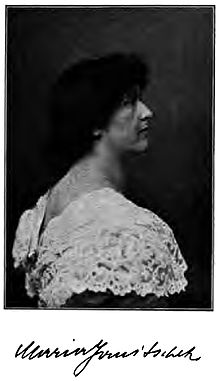
Maria Janitschek
Das neue Weib
Frau Selma Knolle liebte die Einsamkeit und schwärmte vom völligen Abgeschlossensein von der Welt. Deshalb veranstaltete sie jede Woche einen Empfangsabend, an dem sich über ein halbes Hundert Menschen in ihrem Hause zusammenfanden. Sie betete die Wahrheit an, und ihre Busenfreundin war eine – Spiritistin; sie stellte die höchsten Anforderungen an die Sittenreinheit des Weibes, und ihre Abgötterei galt einer vierzigjährigen Dame, die noch vor Thorschluss das Jungfernkränzchen abgelegt hatte, um die interessanten Umstände kennen zu lernen.
 Frau Selma Knolle hatte als Mädchen immer für das Cölibat geschwärmt, deshalb heiratete sie einen athletisch gebauten Mann, der schon von zwei Gattinnen geschieden war. Sie bekam vier Kinder von ihm. Er war ein verteufelt schlauer Bursche, der Doktor. Dem Zug seiner Zeit folgend, hatte er viele Reisen gemacht, sechsmal seinen Beruf gewechselt, sein Vermögen verloren, wieder erworben, abermals verloren, sich durch gute Partien wieder rangiert, aber, zu vielseitig begabt für einen Ehemann, schlechten Erfolg mit seinen Gattinnen gehabt. Zum Schluss war ihm diese grosse, blonde Frau mit dem weichen Fleisch begegnet, die ihm resolut sagte:
»Deine andern Gattinnen verstanden dich nicht, ich aber verstehe dich und bin die Richtige für dich.« Da hatte er zum drittenmal eingewilligt, einer schönen Frau zu einem Irrtum zu verhelfen. In den ersten vier Jahren war sie beständig schwanger und konnte sich seiner nicht so erfreuen, wie sie es gewünscht hätte. Dann musste er – er behauptete es wenigstens – eine Reise um die Welt machen. Als er wiederkehrte, hatte er allerlei Marotten mitgebracht.
Er zog z.B. ihre langen Nachthemden an und setzte sich in diesem Aufzug in ein künstlich verdunkeltes Zimmer, um »nachzudenken«. Er behauptete, dann erhabene Gesichte zu haben, die er nach seinem Tod aufzeichnen wollte. Manchmal verschmähte er sogar ihre Nachthemden und sie fand ihn als Adam verkleidet. Schliesslich fing sie an, an seinem Verstand zu zweifeln und eilte, einen Nervenarzt zu holen. Der blieb sehr lange bei Knolle, und als er dessen Zimmer verliess, machte er ein sehr vergnügliches Gesicht, drückte ihr beruhigend die Hand, erkundigte sich teilnahmsvoll nach ihrem Gesundheitszustand und verschrieb ihr Pillen. Sie verstand das alles sich zwar nicht zusammenzureimen, doch war sie zufrieden, dass ihrem Bibibi, wie sie den Athleten nannte, nichts Ernsthaftes fehle. Sie überlegte, zu welchem Beruf sie ihm raten sollte.
Und da sie im Grunde doch an seinem gesunden Verstand zweifelte, kaufte sie ihm eine Zeitung, deren Leitung er zugleich übernehmen sollte.
Sie kalkulierte ganz richtig, dass es für einen Mann von seiner Begabung keine passendere Beschäftigung geben konnte. Bibibi, der Bibibi, der drei strenge Jungfrauen zum Altar geführt hatte – nicht alle seine Jungfrauen hatte er zum Altar geführt! -, kehrte glücklich das Unterste seiner Überzeugungen nach oben. Er nahm nur Ehebruchsromane für seine Zeitung an und lehnte kaltblütig alle andern litterarischen Anerbieten ab. Der Ehebruch musste natürlich in einer verdeckten Schüssel und mit Gewürz aus den Beeten der Romantik serviert sein. Ferner nahm er nur von Damen Arbeiten an. Diese Damen durften indes nicht das vierundzwanzigste Jahr überschritten haben, um noch »ihre ganze Frische« dem Publikum bieten zu können. Zum Schluss pflegte er mit jeder Verfasserin, von der er eine Arbeit acceptierte, die letzten Abmachungen in einem Hotel zu treffen, »weil er da ungestörter sei, als in den unruhigen Redaktionsräumen.«
Sein Lesekomitee, d.h. die jede eingelaufene Arbeit Prüfenden, bestand aus ihm geistig verwandten Weibern in Männerröcken. Daneben hatte er unter andern Kritikern besonders zwei engagiert, die einer gewissen Berühmtheit genossen. Der eine machte alles nieder, was er las, der andere war ein Genie; der machte sogar das nieder, was er nicht gelesen hatte.
Und der Verleger gedieh und die Mitarbeiter gediehen und die Zeitung gedieh. Bibibi machte einen Ableger von ihr und gründete eine kleine illustrierte Zeitschrift. Das Genie schimpfte diese neue Zeitschrift in Grund und Boden nieder, so dass Bibibi sofort eine zweite, die besser sein sollte, erscheinen liess. Die Schimpferei war natürlich nur ein Trick gewesen, um zwei neuen Zeitschriften zum Dasein zu verhelfen. Bibibi war eben ein grosser Schlaukopf und wusste genau, wie man das Zeug anfasste. Frau Selma schwamm in Wonne. Sie erkannte jetzt, dass ihres Mannes anscheinende Verrücktheit nur Schlauheit war. Sowie er sich auf den richtigen Platz gestellt sah, waren alle in ihm schlummernden Fähigkeiten erwacht.
Er schmeichelte der verkappten Lüsternheit des Publikums und gab ihr fette Bissen, aber nur von der langen Sauce scheinheiliger Frömmelei begossen. Ohne diese nie, denn er war sehr für die Moral seiner Leser besorgt. Man sündigte hier nur in verdunkelten Ecken. Die Sonne durfte es nicht sehen. Nackt zu gehen war verboten, die Röckchen zu lüpfen erlaubt. Wo sich in einem Roman eine Gestalt fand, die gegen Anfechtungen kämpfte, wurde der Roman zurückgewiesen. Anständige, d.h. kluge Leute haben keine Anfechtungen, entschied der Chefredakteur; denn wenn sie solche haben, kommt es nicht an den Tag. Wird aber ein Mensch mit Anfechtungen geschildert, so muss er gleich als niederträchtiger Kerl hingestellt werden. Frau Selma und das Publikum glaubten an die strenge Moral des grossen Bibibi. Nur eins konnte Selma nicht recht verstehen: diese Kontraktabschlüsse im Hotel.
Einmal brachte sie es durch Schlauheit und Thürenhorcherei dahin, in Erfahrung zu bringen, wann er seine nächsten Abmachungen mit einem neuen litterarischen Stern im Hotel haben würde. Eine Stunde vorher fuhr sie dicht verschleiert, eine Handtasche tragend, dahin und liess sich die Stube neben dem vereinbarten Zimmer geben. Nach einer geraumen Zeit hörte sie endlich die beiden eintreten. Sie vernahm Bibibis Stimme und eine schüchterne zweite, die der Frau A.B., einer jung verheirateten Dame, angehörte.
Selma legte hochaufhorchend das Ohr an die Thür. Zuerst hörte sie nur ein vergnügliches Grunzen, wie Bibibi von sich gab, wenn er glücklich küsste. Dann kamen wohlbekannte Laute, so wie sie zu Anfang ihrer Ehe ihr selbst entflohen waren, wenn Bibibi gar zu stürmisch zu seinem Recht gelangen wollte. Dann verriet das Knarren einer indiskreten Bettstatt allerlei, was Selma besser verborgen geblieben wäre. Dann folgte die feierliche Stille nach dem Sturm.
Selma hatte sich behutsam auf den Boden niedergelassen, denn das Stehen wurde ihr unbequem. Später hörte sie eine pipsende Stimme jammern: »O Gott, mein armer Mann, mein armer Mann! Was wird er bloss sagen, wenn das Essen um Eins nicht fertig ist; o ich muss nach Hause!« …
Man hörte allerlei rauschen, dann Wassergeriesel, dann flüsterte Bibibi: »Lass mich zuerst hinab, Kindchen, ich mache alles beim Portier ab, ich habe fürchterliche Eile. Die Fahnen müssen um 12 Uhr nach der Druckerei und jetzt ist’s dreiviertel auf Zwölf. Den Kontrakt erhältst du morgen. Der Roman erscheint in sechs Wochen, wir bringen dein Vollbild und du bekommst dreitausend Mark Honorar für den Erstabdruck. Hab vielen Dank, mein Herz. Das nächste Mal machen wir’s mit mehr Musse. Adieu!«
Frau Selma erhob sich von ihrem Lauscherposten. War das ein Rückfall in seine Verrücktheit gewesen? Gewiss, nur das konnte es sein! Sie sah ihn grübelnd, forschend beim Mittagessen an und gab ihm drei Abende hindurch keinen[204] Gutenachtkuss. Aber sie horchte von nun an viel an der Thür, die in das Redaktionszimmer führte, in dem er allein arbeitete.
Sie brachte allerlei in Erfahrung. Wie Schriftstellerinnen oft zu ihrem Ruhm kamen. Wie andere abgewiesen wurden, weil sie bei gewissen Zumutungen hochmütig aufgefahren waren. Weshalb die Belletristik das fast ausschliesslich vom Weibe beherrschte Gebiet geworden war. Wie dem Publikum eine Geschmacksrichtung aufgedrängt wurde, die nur von der jeweiligen Appetitsverschiedenheit des Chefredakteurs abhing. Wie die Guillotine der Kritik ohne Hirn und Vernunft arbeitete. Wie immer weniger ernsthafte Männer auf dem schöngeistigen Arbeitsfeld mitkämpfen wollten …
Sie verwunderte sich über manches, aber sie war zu sehr Weib, um ihre persönliche Sache nicht als Hauptsache zu empfinden. Sie horchte weiter und sie vernahm noch verschiedene »Vereinbarungen«. Nur um ihr schlecht wiedergegebenes Bild in eine Tageszeitung zu lancieren, ergaben sich manche dieser jungen Frauen den Launen Bibibis.
Nein, Bibibi, kein Verrückter bist du, eine menschliche Bestie bist du, schluchzte die arme Frau Selma im Nebenzimmer. Aber warte, ich will mich an dir rächen, dass du wirklich verrückt werden sollst. Vor allem dafür, dass du mich in Bezug auf deine eheliche Treue irre geführt hast. Oder hast du mich überhaupt nie an sie glauben machen wollen und – ich selbst habe mich im Glauben an sie bestärkt? Dann sollst du es doppelt büssen, denn was man selbst Dummes begeht, daran ist immer der andere schuld … Und Selma, bis zum Rand mit Wut und Erbitterung gefüllt, vergass ihren Stolz, stellte sich mit anderm weiblichen Federvieh auf eine Stufe und schrieb ein Buch. Sie nannte es: »Das seid Ihr!« Schon das erste Wort, mit dem wir empfangen werden, begann sie, ist ein geringschätziges. Nur ein Mädchen! Oder heisst es in den meisten Fällen nicht so, wenn die sage femme uns in die Arme des Vaters legt? Dann später werden wir von unsern uns an Kraft überlegenen Brüdern gefoppt, übervorteilt, misshandelt. Die öden Jahre der Bleichsucht beginnen. Unlustig, von einem Gefühl der Dumpfheit und Schwere gequält, schleppen wir uns dahin, bis ein Tag uns das mit mancherlei körperlichen Leiden erkaufte Siegel aufdrückt, dass wir nun zum Gebären reif sind. Haben wir Geld und ein hübsches Gesicht, so ist bald der Freier da, der um uns wirbt. Nach einer unnatürlich verlebten Verlobungszeit, in der wir unser erwachendes Temperament verleugnen und Komödie spielen müssen, werden wir endlich zum Traualtar geführt. Die heimlich tausendmal ersehnte Hochzeitsnacht ist da. Anstatt der werbenden Zärtlichkeit des Geliebten zu begegnen, werden wir von einem keuchenden, brünstigen Gewalthaber genotzüchtigt, der vom Priester und unsern Eltern das Recht dazu empfangen hat. Nach Schmerzen und Demütigungen mancherlei Art werden wir endlich schwanger. Fast ein Jahr widriger Verunstaltung, widriger Krankheitszustände, dann kommt die Stunde, wo unserer Schamhaftigkeit der letzte Schleier entrissen wird. Nackt wie ein Tier, in Bewusstlosigkeit versetzt, oder im Krampf verzerrt, ruhen wir hilflos vor den Augen eines fremden Mannes, des Arztes, der oft noch Kollegen an der Seite hat. Man wühlt in unserm Körper, verspritzt unser Blut und legt sorgsam Verbände und Salben zurück fürs »nächste« Mal. Noch kaum von unsern Wunden geheilt, findet uns die neu aufflammende Gier des Mannes, zu der sich vielleicht noch der Kitzel der Grausamkeit gesellt. Nach elf Monaten machen wir die Schlachtscene aufs neue durch. Und so weiter. Eines Tages aber harren wir vergebens der Liebkosungen unseres Gatten. Er ist unserer satt geworden. Die Liebeskunststücke, die er uns gelehrt hat, besitzen keinen Reiz mehr für ihn. Nun geht er zu andern Frauen, um neue einzuüben. Aber die können wir nicht mehr erlernen, denn unser Körper, von ihm gebrochen und zerstört, hat keine Kraft mehr in seinen Muskeln. Wir sind schlaff geworden. Wenn er ehrlich ist, sagt er uns die Wahrheit mit offenem Visier; wenn er feig ist, betrügt er uns hinter unserm Rücken …
Und nun begann die feurige Anklage gegen den einen. Das ganze Buch war so persönlich gehalten, dass jeder sofort wusste, Bibibi sei hier in die Hände einer Überlegnen geraten, die ihn durchschaute. Die Frauen alle, die geknechteten, geopferten, misshandelten, umringten ihre mutige Schwester, das neue Weib, die erste, die es gewagt hatte, ihren Tyrannen offen an den Pranger zu stellen. Sie drückten ihr die Hände, wenn sie sie auf der Strasse trafen, sie schrieben ihr danküberströmende Briefe.
Sie war mit einem Male die Heldin der unterdrückteren Hälfte der Menschheit geworden. Man war aufs höchste darauf gespannt, wie sie nun ihre edlen revolutionären Ideen in Thaten umsetzen würde; denn nach diesem unerhörten Buch musste sie mit einem verächtlichen Fahrwohl von ihm, dem Knechter ihrer Individualität und Frauenwürde, scheiden. Einsame Arbeit in stolzer Unabhängigkeit würde ihr Märtyrerlos worden. Man bereitete sich vor, ihre Apotheose zu erleben.
Bibibi machte ein langes und immer längeres Gesicht. Alle Wetter! War er trotz aller Vorsichtsmassregeln doch noch zu unvorsichtig gewesen? Hatte sie Verdacht geschöpft? Hatte ihn eine seiner Freundinnen verraten? Ihm, dem Verfechter der öffentlichen Moral, war die Sache höchst unangenehm. Hauptsächlich jedoch deshalb, weil er sich als – unschlau erwiesen hatte. Wer wollte nicht lieber für einen Schurken als für einen dummen Kerl gelten? Nun, er hatte jetzt festen Boden unter seinen Füssen, mochte sie ihn schliesslich verlassen. Er liess doppelt empörte Tiraden gegen alle los, die einen Schritt vom Wege der breiten, fetten Moral thaten. Ja, er begann sich gegen das Weib zu wenden, dem die heiligsten Bande nicht zu ehrwürdig wären, um mit ihnen sein Spiel zu treiben. Er hing nicht so sehr an Selma, um eine Trennung von ihr als zu schweren Schicksalsschlag zu empfinden, aber den Skandal hasste er.
Seit sie wusste, dass er ihr Buch gelesen hatte, und das ungeheure Aufsehen ermass, das es erregte, ging sie ihm scheu aus dem Wege. Sie kannte seine herkulischen Kräfte, dazu seine Gereiztheit; wer weiss, was geschah. Auch ihre Bekannten dachten ähnlich und sahen sie schon als Opfer ihres Mutes, als Märtyrerin ihrer Ideen. Man erwartete bang die letzte Katastrophe.
Es gab Journalistinnen, die schon einen Nekrolog für sie im Pult bereit liegen hatten.
Da kam das, was die Wenigsten vorausgesetzt hatten …
Eines Abends, als sie von einem Gang heimkam, trat ihr Bibibi in den Weg.
»Magst du einen Augenblick bei mir eintreten?« fragte er mit eisiger Höflichkeit. Sie folgte ihm und blieb mit schlotternden Knieen an der Thür stehen. Er schritt gleichmütig auf und nieder.
»Ich habe also den Scheidungsprozess eingeleitet,« log er, »denn nach deinem persönlichen Angriff auf mich durfte ich unmöglich anders handeln. Ich ersuche dich nun, die Kinder so schonend wie möglich auf die Sache vorzubereiten. Das Gericht wird entscheiden, ob sie vater- oder mutterlos ihr junges Leben weiterführen sollen. Was mich betrifft, ich bin ein Mann der Arbeit, der Thätigkeit, mein Beruf wird mich über mein -,« er stockte, »über mein unverdientes Schicksal erheben. Und wenn -,« er stockte wieder, »wenn ich es nicht ertragen sollte, dann –«
In diesem Augenblick nahm die alte Eva, die alte Eva, die niemals auch aus dem »neuesten« Weibe auszutreiben ist, wieder Besitz von Frau Selma. Sie sank auf die Kniee und ergriff die Hände ihres Gatten.
»Bibibi, kannst du mir das Buch verzeihen?«
Er verstand sofort die Situation, die er als Menschenkenner vorausgeahnt hatte, und richtete sich auf.
»Nein!«
»Bibibi, bedenke, welche Qualen du mir verursacht hast; ich war toll geworden, ich sehe es jetzt ein, aber – verraten hast du mich doch, das kannst du nicht leugnen, denn ich war Zeugin.«
»Horcherin!« Er stiess sie verächtlich von sich und that einige Schritte.
Sie rutschte ihm auf den Knieen nach.
»Bibibi, schlage mich, aber verstosse mich nicht; ich liebe dich, auch wenn du mich mit Füssen trittst, mir andere vorziehst; lass mich nur neben dir sein, die letzte, die allerletzte, nur neben dir! Dir habe ich meine Kinder geboren, meine Jugend hingegeben, ich kann ja nicht von dir fort, verzeih mir …!«
Und Bibibi blickte auf sie herab. Das war also das neue Weib. Was war nun eigentlich das neue an ihm? War es mehr als seine gesteigerte – Redseligkeit, die sich in anklagenden Romanen, stürmischen Versammlungen, kampflustigen Vorträgen offenbarte? Er furchte die Stirne und hiess grossmütig Selma aufstehen …
Bei sich aber beschloss er, noch gründlichere Frauenstudien zu treiben …
More in: Archive I-J, Archive I-J, The Ideal Woman
Thank you for reading Fleurs du Mal - magazine for art & literature